We talk a lot about how to start a business. The company structure. The steps to incorporate. The compliance requirements to fulfil.
What we've covered less is what comes next. How you actually grow a business.
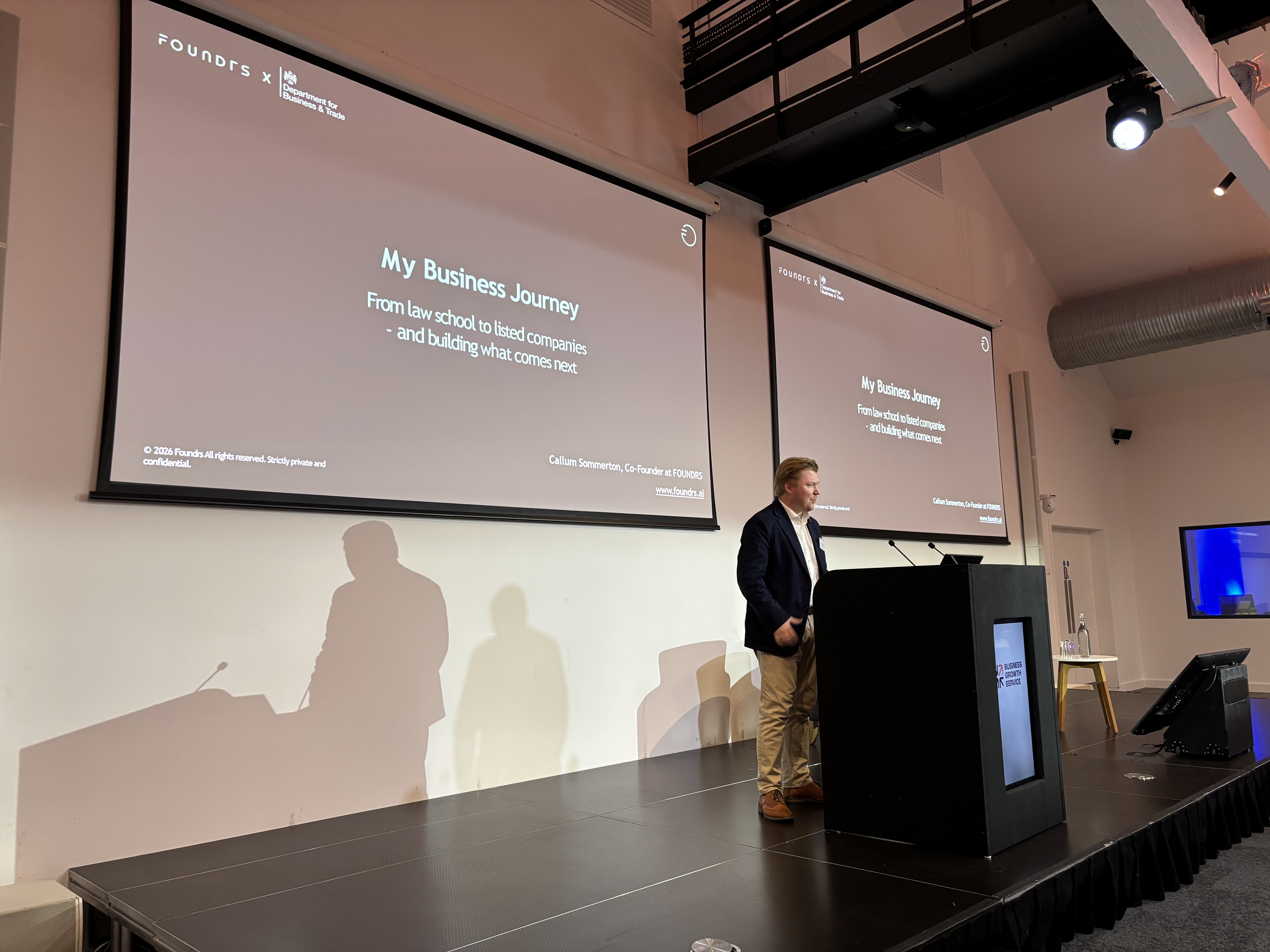
We were invited by the Department for Business & Trade to deliver a practical session on starting and growing a business for their Business Academy - a learning platform for aspiring and active entrepreneurs across the UK.
We initially ran the session in February 2026 and it went down well enough that we were asked to repeat it again today.
This post covers the second half of our talk on growth. Specifically, the three levers we believe all founders should understand.
You can watch the full recording from February here. If you are planning to incorporate - our hub has plenty of resources to support you, including our step-by-step guide to registering a company.
Lever 1- Fundraise with purpose, not for vanity.
One of the most damaging myths in the startup world is that raising money is progress. It isn't. It's a tool that amplifies what already works. Like any tool, using it at the wrong time creates more problems than it solves.
The founders we've seen succeed consistently prove their model first. Bootstrap until you can demonstrate demand, revenue, and some understanding of your unit economics. Constraint forces creativity. It makes you more resourceful. And it sets a healthier culture than burning through a seed round before you've earned the right to it.
When you do raise, be intentional about why. Raising to accelerate something that works is sensible. Raising to fix a product that doesn't is expensive.
Lever 2 - Hire slow. Fire fast.
Your early hires are not just employees. They are a multiplier. If they embody what you're building, everything you do compounds.
This is why we advocate hiring slowly, especially in the early stages. Take it seriously. Take your time. Don't outsource it.
We also recommend being decisive when something isn't working. A team member who doesn't fit the culture isn't just a set of difficult conversations. They're a signal problem. A morale problem. A growth problem. Letting it drift costs more than acting.
The question worth asking before any early hire: does this person embody what we're trying to become?
Lever 3 - Experiment with AI.
There has never been a better time to start and grow a business as a solo founder or as a small team. That's not optimism. It's structural.
Large organisations have genuine disadvantages with technology right now. AI can fill knowledge gaps and multiply the things you're already good at. A solo founder with the right tools can perform like a team.
The must-have starting point is an LLM — Claude, Gemini, ChatGPT. Use whichever one works for you and invest time in using it effectively. Give it context. Prompt thoughtfully. Use it to stress-test ideas, draft communications and prepare for investor conversations.
The other starting point is researching task-specific tools relevant to your business. At FOUNDRS, we are focused on alleviating the pain that business administration and compliance create for entrepreneurs. There are AI tools emerging to solve a wide range of problems. Experiment with the tools that fix your challenges.
The single most important skill today isn't technical. It's curiosity. Lean in. Play. The founders who treat AI as a field of genuine interest are building a real competitive advantage over those who treat it as something to worry about later.
What’s next
We're excited to partner with organisations - like the Department for Business & Trade - to support the next wave of British businesses.
We'll be hosting more events and webinars in the coming months alongside a range of other partners. Keep an eye out for more soon.
In the meantime, watch the full session from February, browse the FOUNDRS hub, and if you haven't registered your company yet — start planning to here.